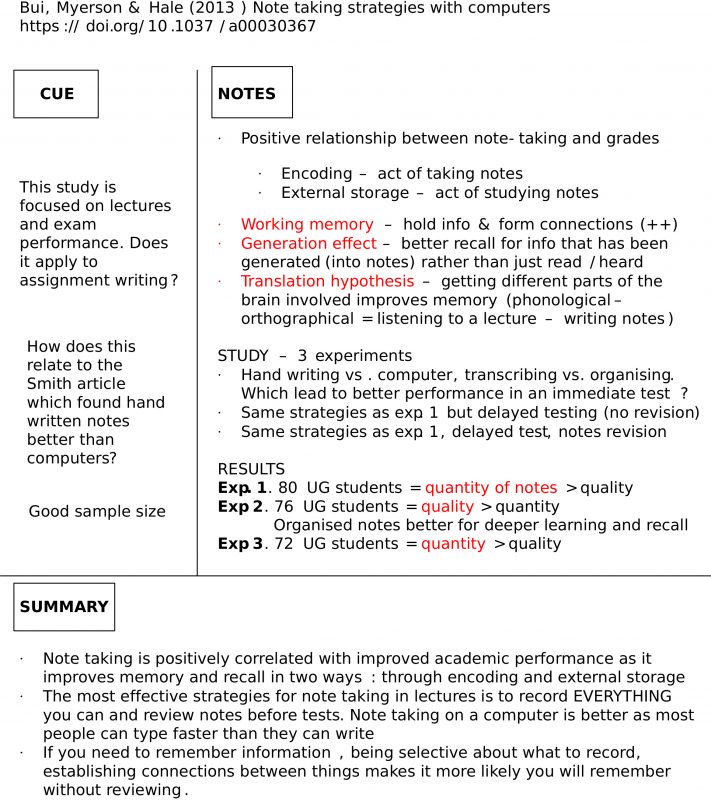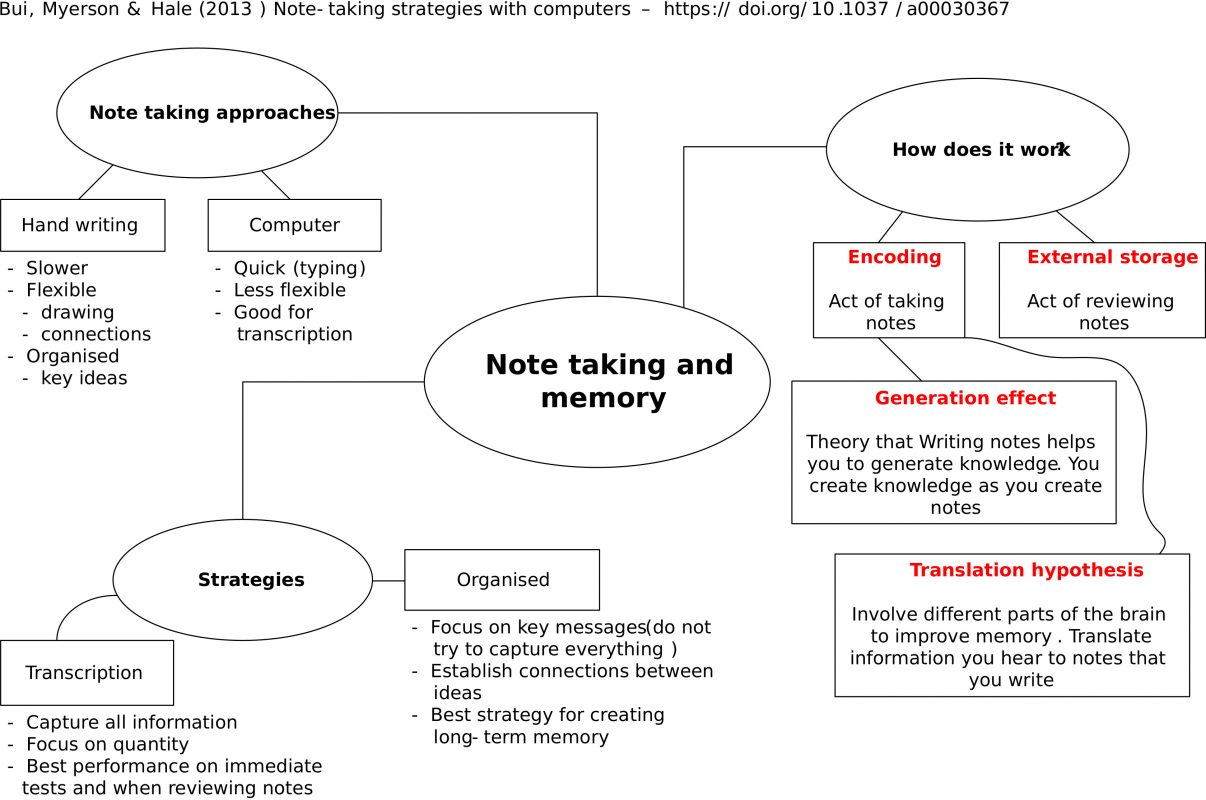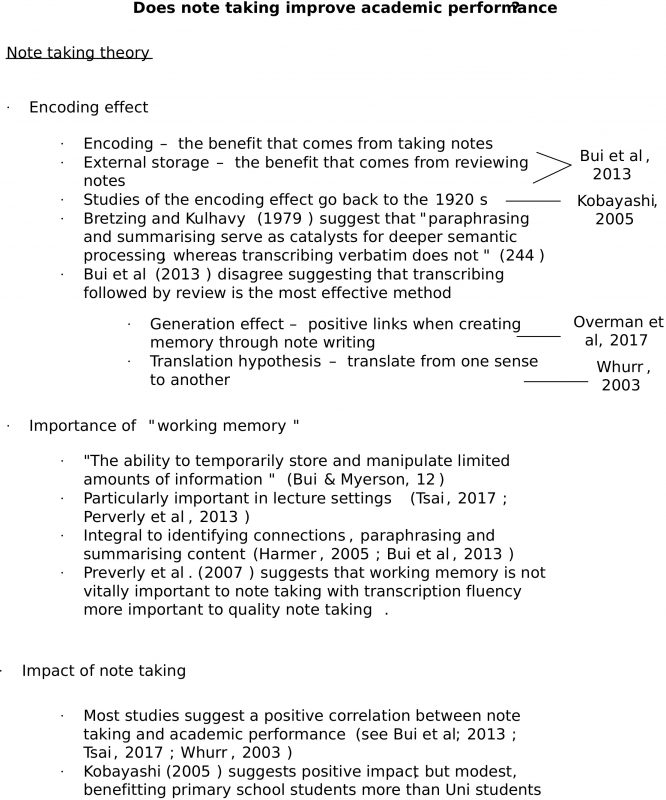

? Taking notes is crucial for effective studying and learning as it helps organize and personalize information from readings or lectures. It enhances active listening during lectures or meetings and aids in retaining knowledge. Note-taking also facilitates the internalization of knowledge by integrating information from various sources, fostering connections, and deepening comprehension.
Good notes are useful notes. Their purpose should be to serve as a bridge between the knowledge you acquire from your lectures and readings and the ability to show off your knowledge of a subject in an assignment. Then, how do you take useful notes? Everything relies on you and how you learn best. There are various approaches to note-taking, and we’ll go over a few here. If you’re not finding anything that works for you, though, check out #studyspo for some ideas (keep in mind that lovely notes are only helpful if they enable you to make the connection between material and understanding).
There are a few constants among all note-making styles. As you’re taking notes:
- As you read and make notes, keep your thesis statement and assignment questions in mind. It will assist in directing you to the part of the source that is most helpful.
- Instead of exactly replicating the content from the source, note down the relevant details in your own words. This can help you avoid unintentional plagiarism, ensure that you comprehend the topic, and paraphrase it.
- Keep track