

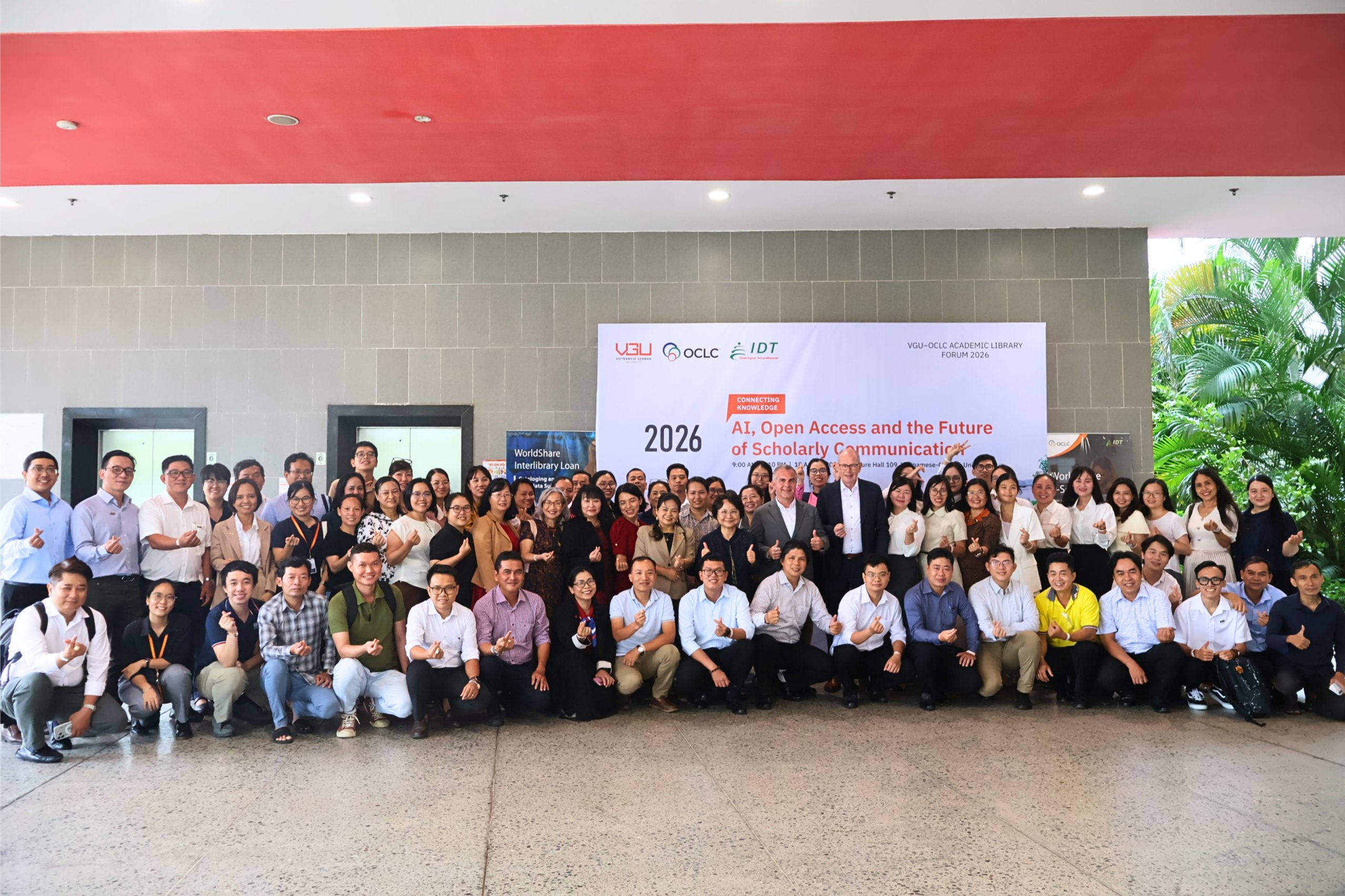
The VGU–OCLC Academic Library Forum 2026, themed “Connecting Knowledge: AI, Open Access and the Future of Scholarly Communication,” brought together academic library professionals, researchers, publishers, technology experts, and higher education representatives for a day of knowledge sharing, practical insights, and meaningful exchange.
Hosted by the Vietnamese–German University (VGU) in collaboration with OCLC and IDT, the forum explored how technology, artificial intelligence, library platforms, Open Access, and scholarly publishing are shaping the future of academic and research communities.
More than simply discussing trends, the forum offered participants an opportunity to hear directly from experts and practitioners about what these developments mean in practice, what challenges they have encountered, and what lessons can be learned from their experience.
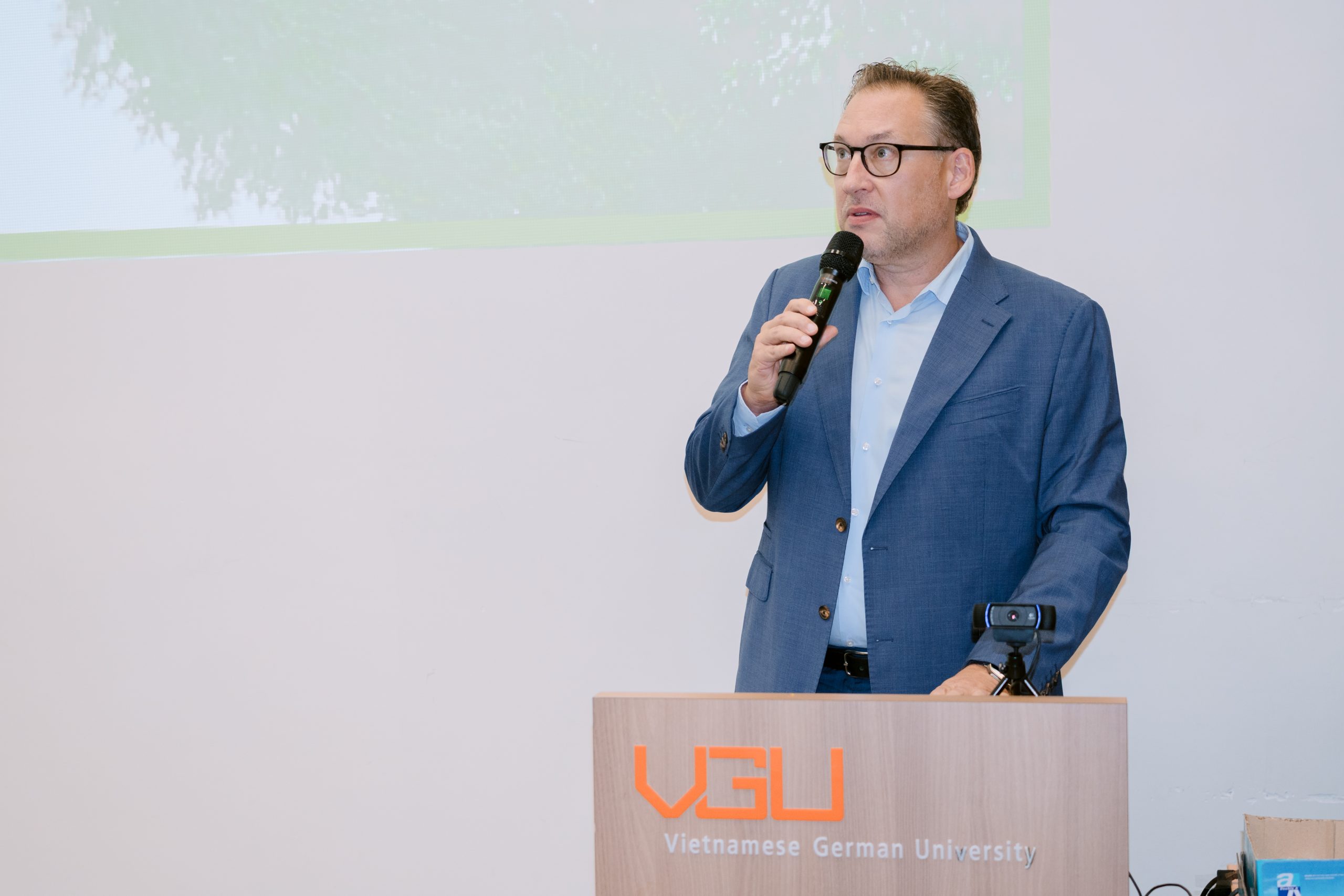
The forum officially opened with welcoming remarks by Dr. Thomas Aulig, Vice President of the Vietnamese–German University.
Morning session
The morning session opened with a keynote by Mr. Skip Prichard, President and Chief Executive Officer of OCLC, who shared perspectives on modern technology and the integration of intelligent AI into today’s products and services.
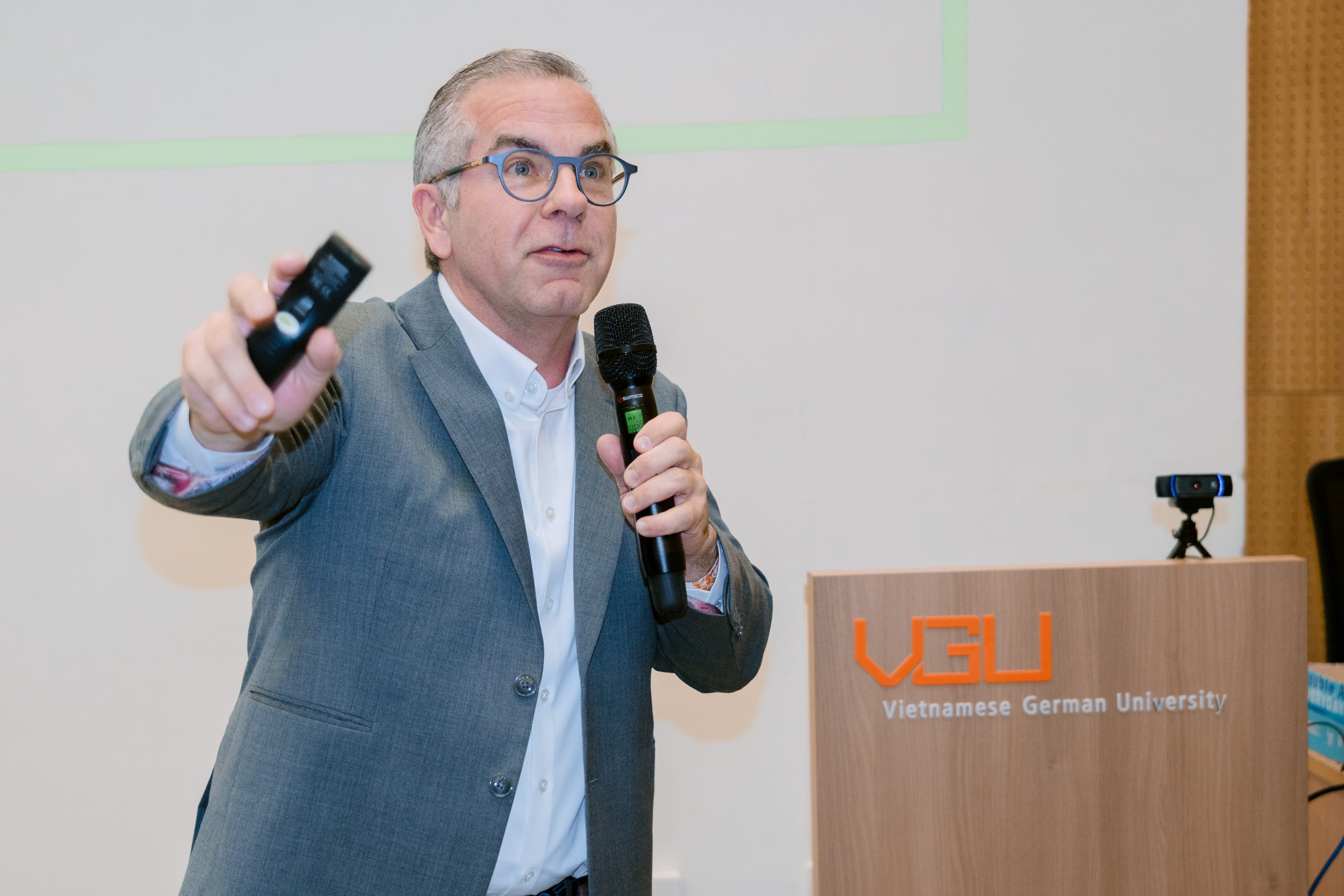
His presentation highlighted how technology is rapidly changing the way organizations operate and serve their communities. For OCLC, innovation is not simply about following technological trends, but about continuously exploring and applying new technologies to develop products that better support libraries and their users.
The discussion continued with Mr. Bart Murphy, Chief Technology and Information Officer at OCLC, who provided an inside look at how OCLC continuously updates its products and incorporates new technologies to make them more capable, secure, and responsive to the needs of libraries around the world.
Beyond technological innovation itself, his presentation highlighted the many considerations required to deliver products for a global market, including security certifications, multilingual capabilities, and other requirements that enable library technologies to serve diverse institutions and users worldwide.
The global perspective was further explored by Mr. Eric van Lubeek, Chief Revenue Officer and Managing Director, EMEA & APAC, OCLC. He introduced participants to the extensive global reach of OCLC and discussed how its products and services can be adapted to different regional and local contexts.
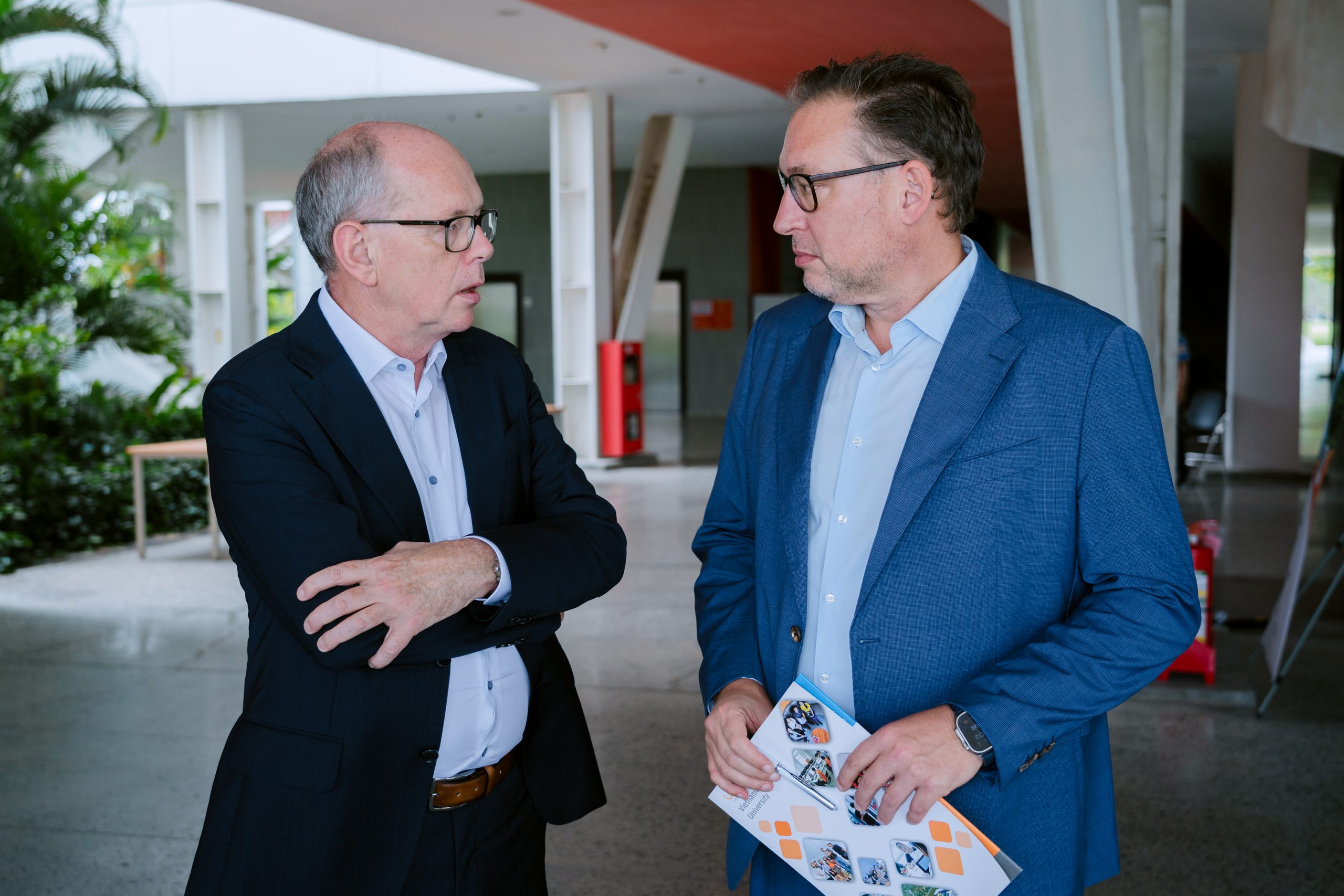
His presentation highlighted an important balance between global standards and local needs: while OCLC operates across a broad international network, its products can be customized and localized to better respond to the specific requirements of different markets and library communities.
Learning from VGU Library’s experience with OCLC
The forum then brought the discussion closer to home with a presentation by Ms. Tri Nguyen, Library Director at the Vietnamese–German University, who shared VGU Library’s experience of using OCLC solutions.
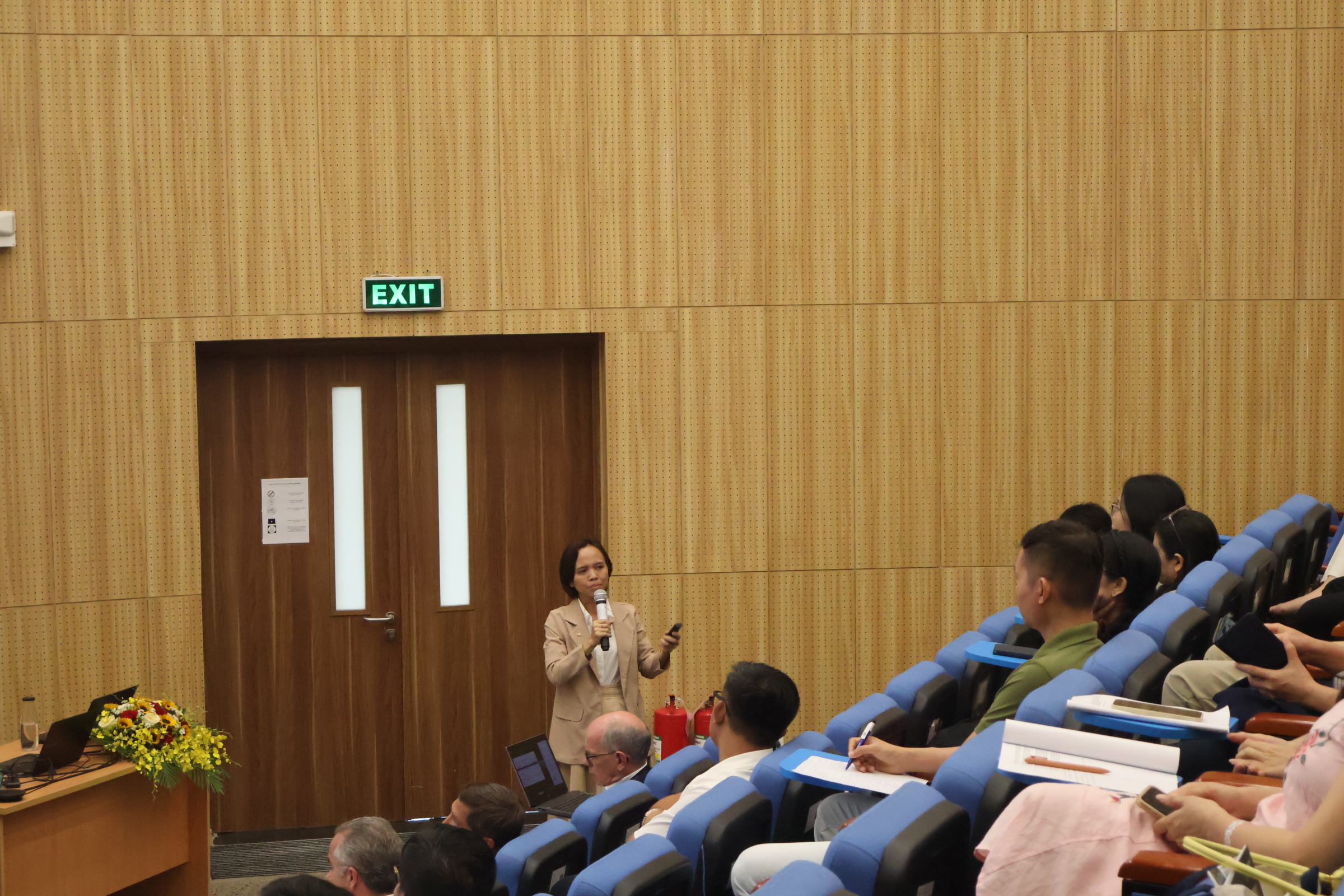
Drawing on practical experience, Ms. Tri discussed the library’s journey with OCLC and shared useful considerations for institutions that are currently exploring or planning to purchase a library management system platform.
Rather than focusing solely on product features, the presentation offered practical advice on what institutions should consider when making such an important investment, including understanding institutional needs, evaluating solutions carefully, and learning from the experiences of libraries that have already implemented the system.
Afternoon session
The afternoon session shifted the focus from library technology to scholarly publishing and the research ecosystem. Prof. Dr. Nguyen Trong Hoai, Deputy Editor of the Journal of Asian Business and Economic Studies (JABES) and the journal’s publisher in the Emerald Group Publishing portfolio, shared practical insights into the history and development of JABES. His presentation offered participants a valuable look at the real journey behind the development of an academic journal, including the process of building and strengthening a publication over time.
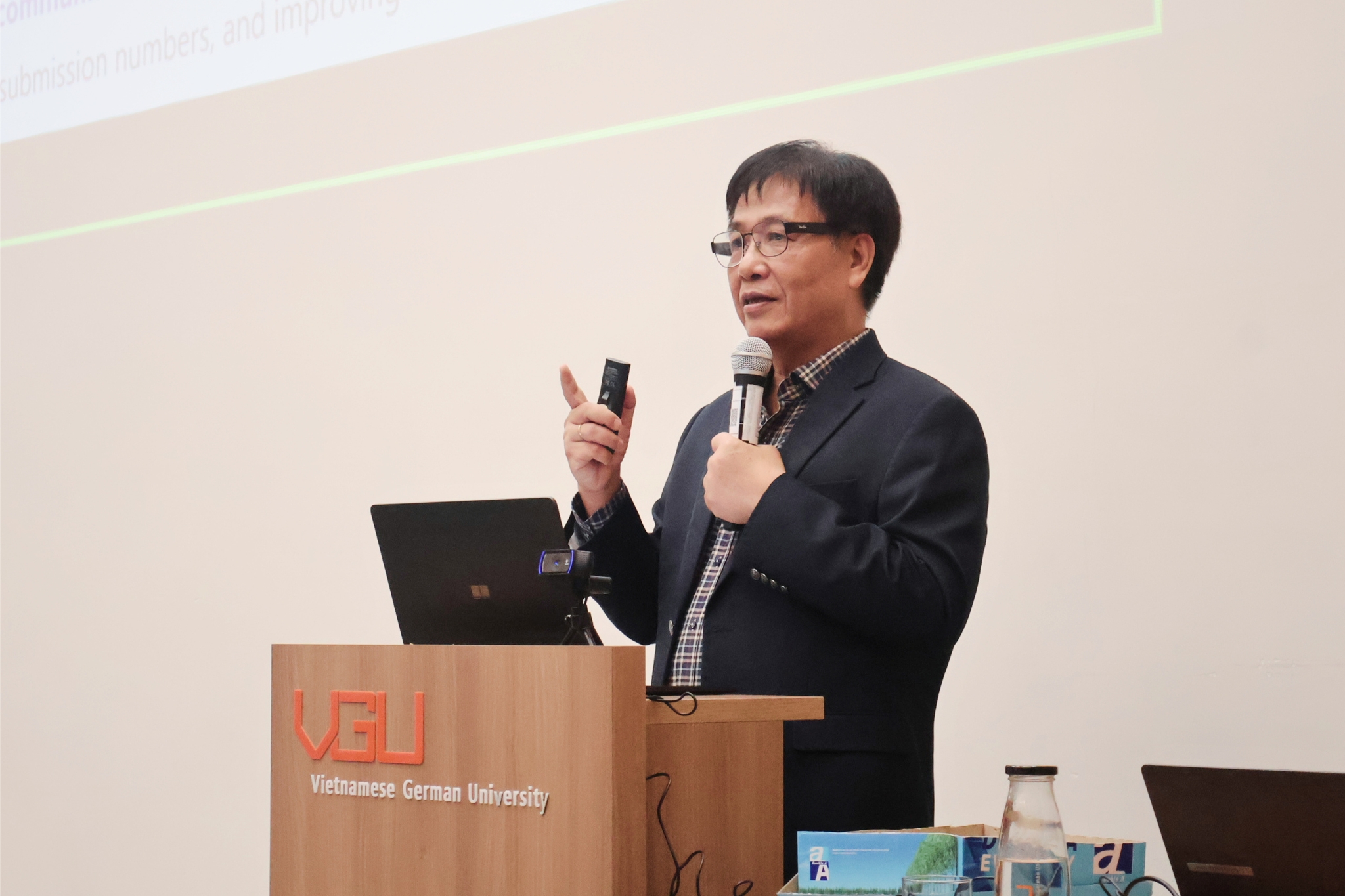
Beyond sharing the experience of JABES, Prof. Hoai also provided practical advice for universities and academic institutions that are considering establishing their own journals and working toward inclusion in internationally recognized indexing and publishing systems such as Scopus and reputable global publisher platforms.
His experience demonstrated that developing a successful academic journal is a long-term process requiring consistent effort, quality standards, strategic development, and a clear understanding of the international scholarly publishing landscape.
The forum then turned to the perspective of a researcher: Dr. Tran Binh Dai, Lecturer of Economics at VGU, shared his personal experiences of entering the research journey, including the difficulties, challenges, and mistakes he encountered along the way. Rather than presenting research as a straightforward path, Dr. Dai offered an honest and relatable perspective on the learning process involved in becoming a researcher.
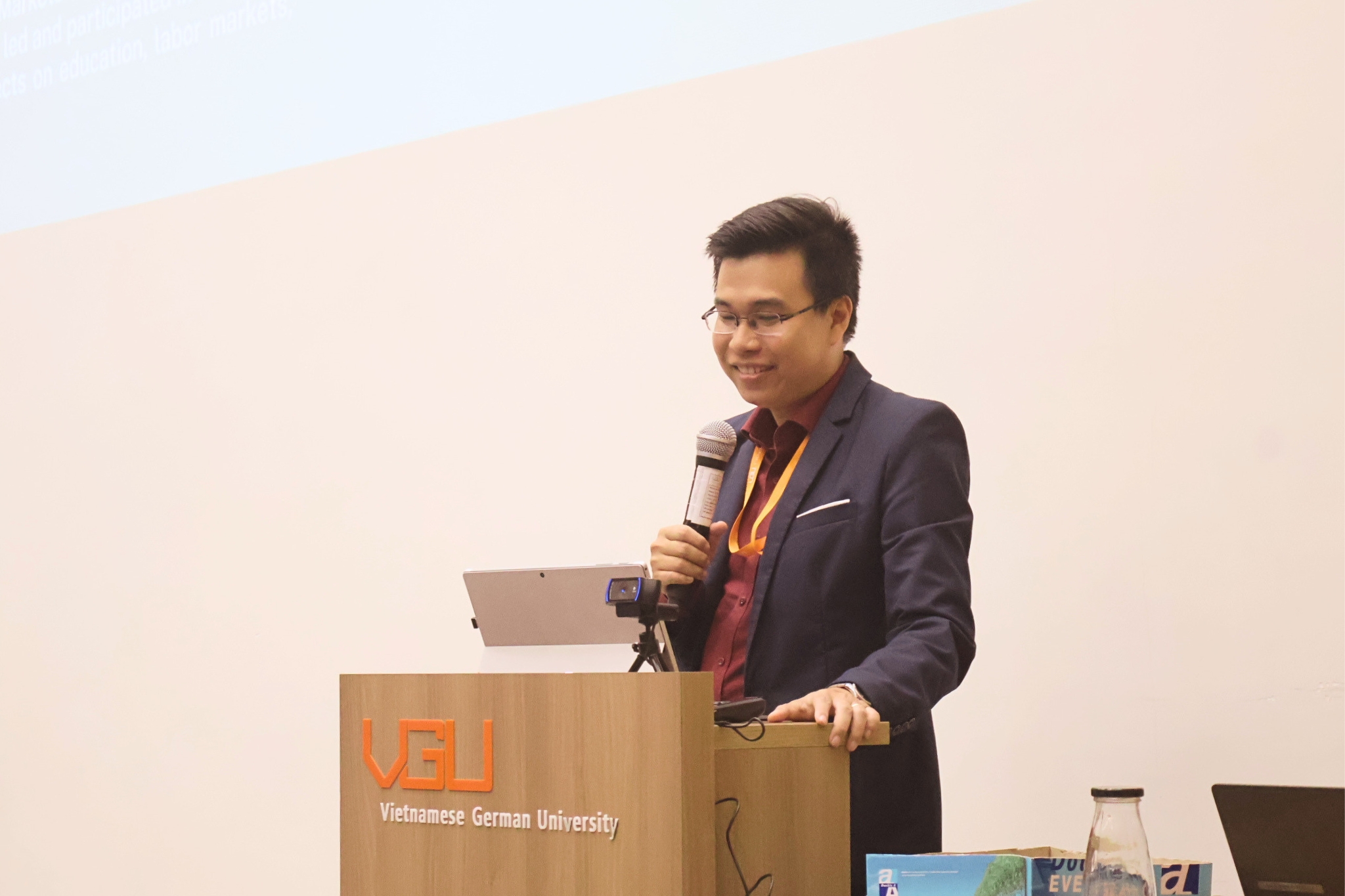
He also shared practical strategies for publishing research through Open Access in a cost-effective way, particularly for researchers with limited funding who still aspire to publish in reputable academic journals. His sharing provided useful guidance on how researchers can make informed publishing choices while balancing publication quality, visibility, and financial considerations.
The forum also welcomed an international perspective from Germany through Ms. Nicola Bieg, Licence Manager at TIB – Leibniz Information Centre for Science and Technology and University Library. Ms. Bieg shared the efforts she and her colleagues have undertaken to support scientists and researchers across Germany in making their research openly accessible while managing publication costs more effectively.
Her presentation offered insights into the work behind Open Access agreements and initiatives, as well as the role that libraries and consortia can play in helping researchers navigate the changing publishing landscape.
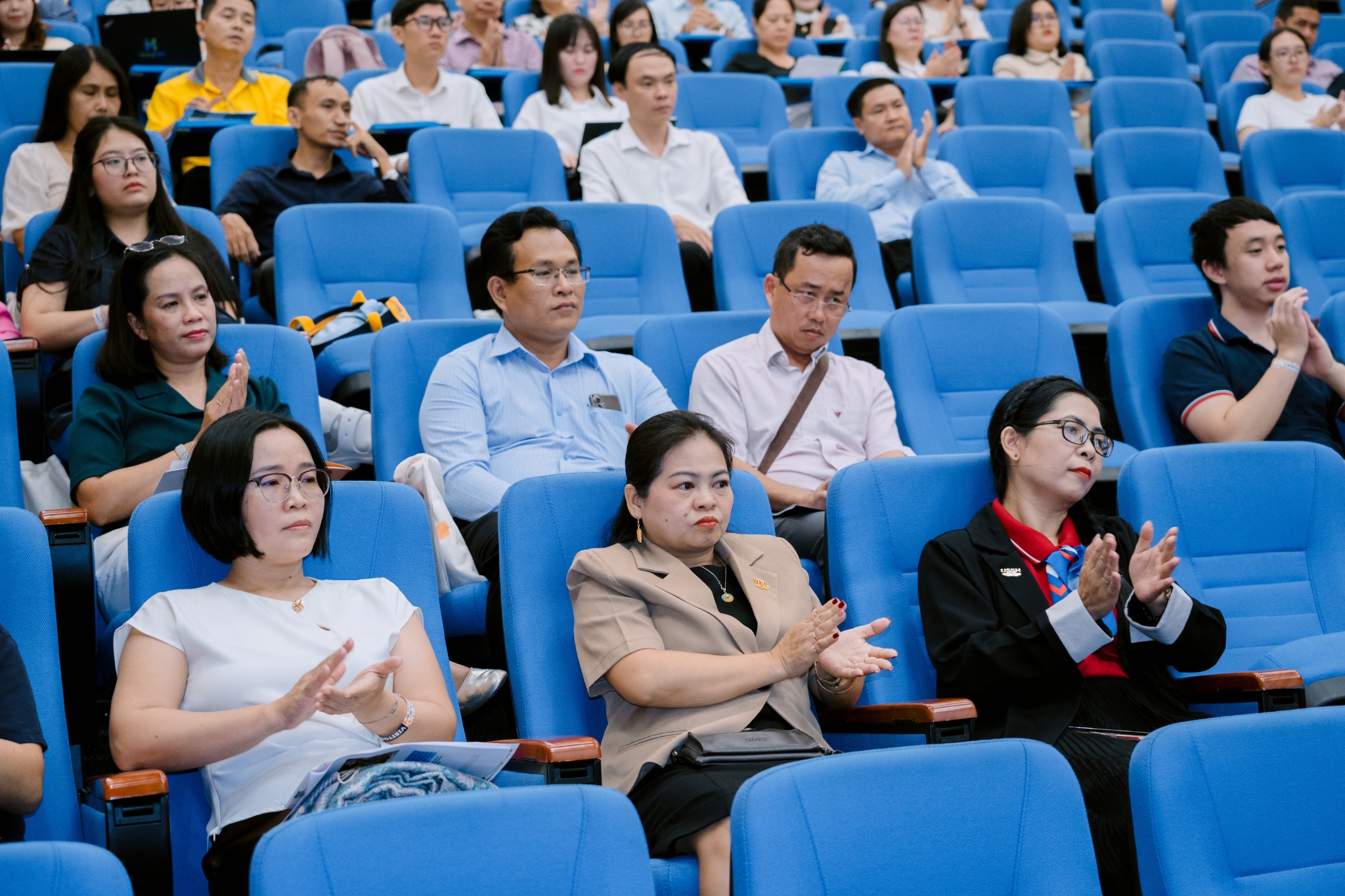
The session demonstrated that supporting Open Access is not only about providing access to publications, but also about developing practical and sustainable mechanisms that enable researchers to publish openly while making responsible use of institutional and public resources.
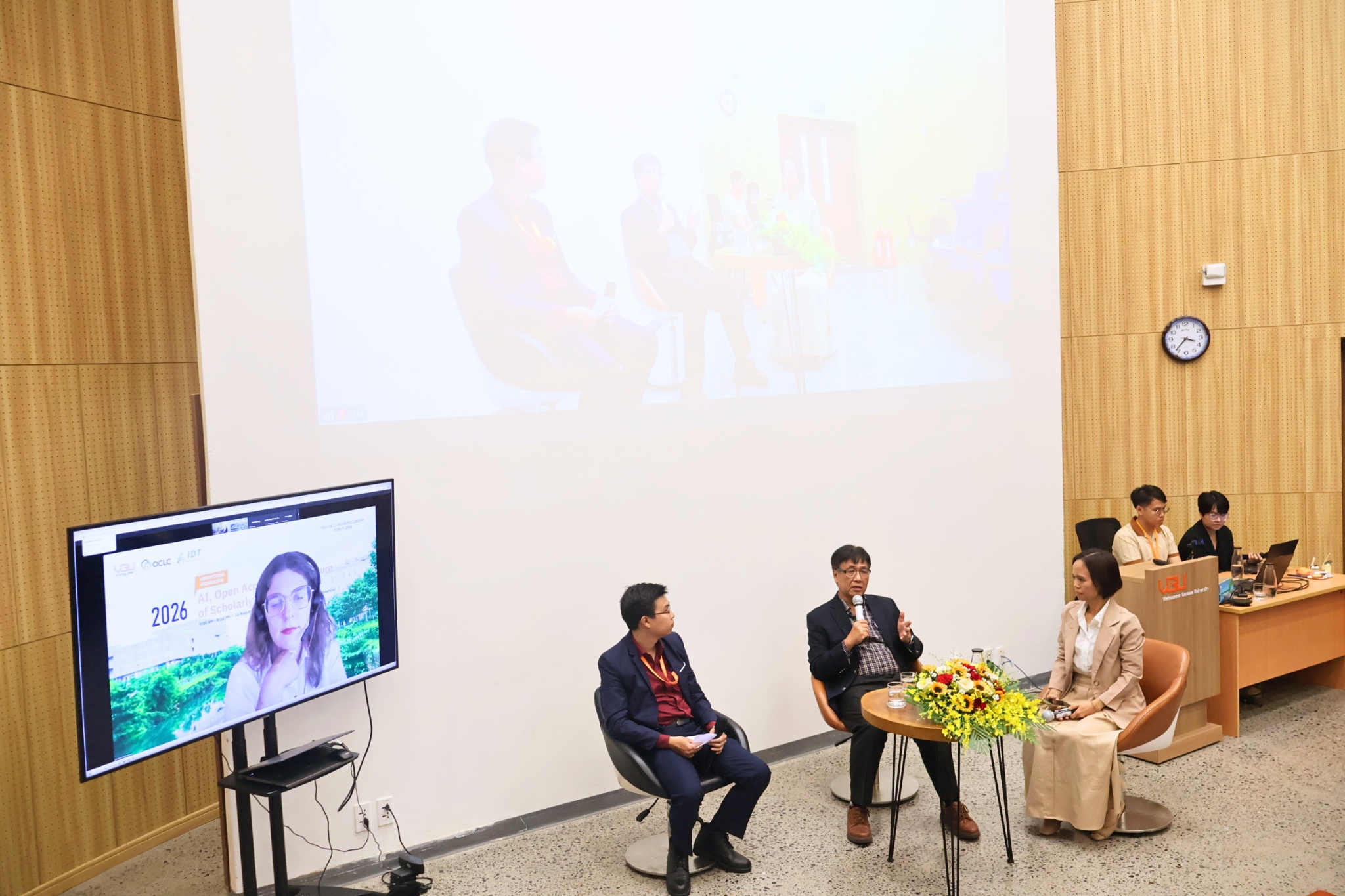
The forum concluded with a panel discussion, providing participants with the opportunity to engage directly with the speakers and ask questions arising from the day’s presentations. The open exchange allowed participants to explore issues that are particularly relevant to their own institutions and professional experiences, while speakers were able to respond directly to questions and share further reflections based on their expertise.
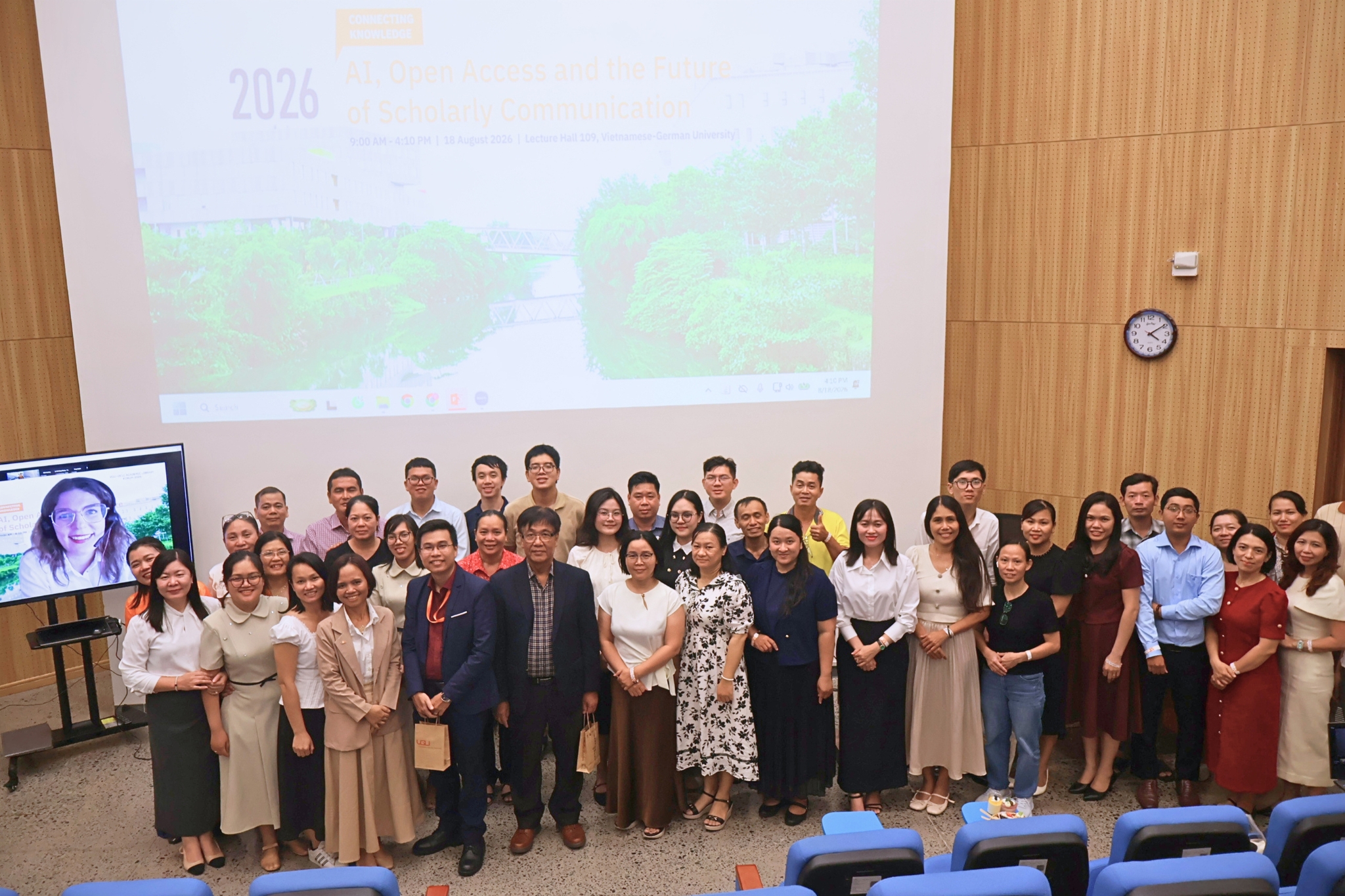
The event concluded not only with new knowledge, but also with practical lessons, sincere sharing, and meaningful connections in a warm and welcoming atmosphere.
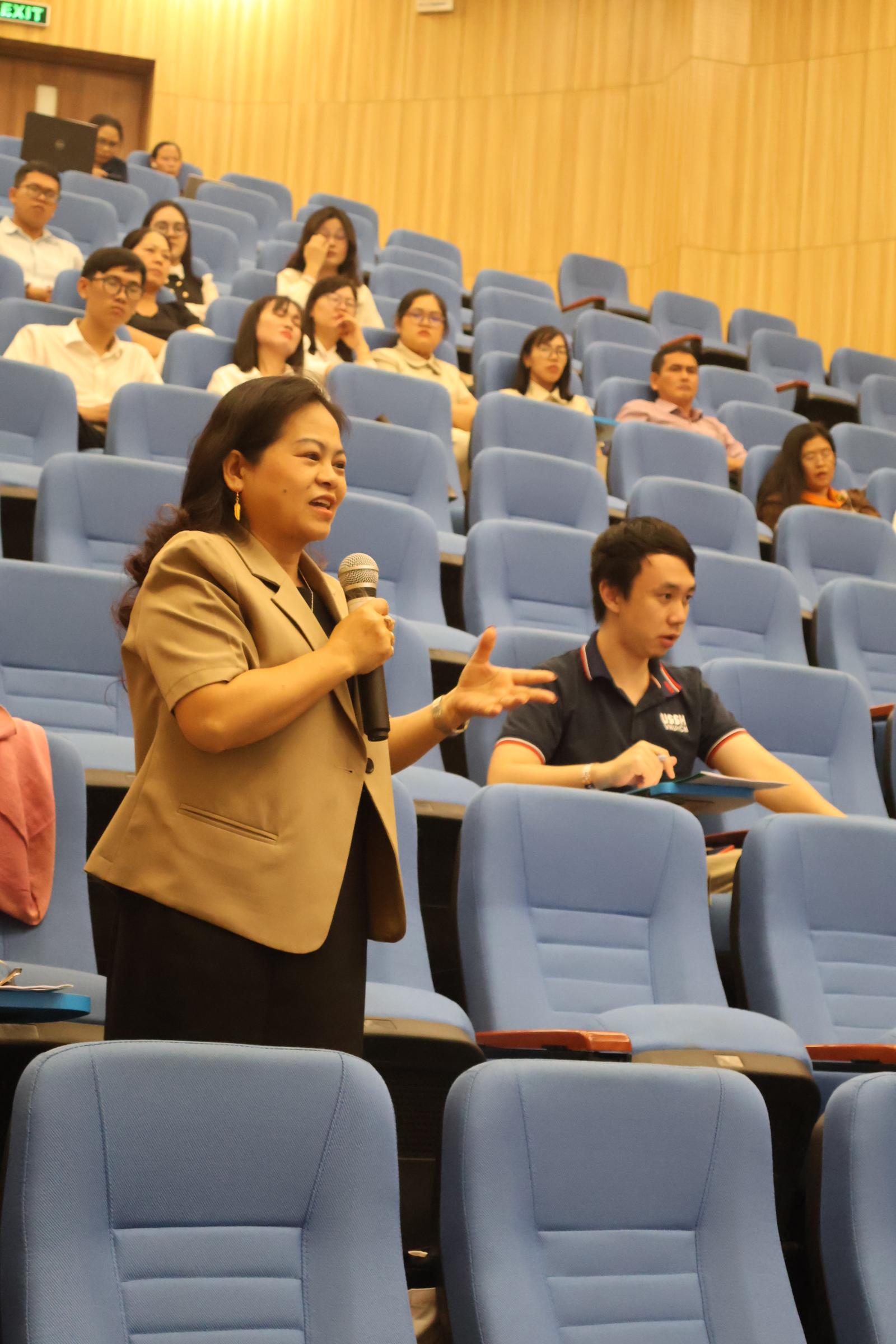
The Vietnamese–German University Library would like to express its sincere appreciation to all speakers, partners, colleagues, and participants for contributing to the success of the VGU–OCLC Academic Library Forum 2026.
We hope that the conversations and connections created during the forum will continue beyond the event and inspire further collaboration, innovation, and knowledge sharing across the academic and research community.
VGU Library
Vietnamese–German University